
Ban Mao 斑蟊 — Chinese Herbal Medicine
Key Takeaways
- Nature: Hot | Taste: Acrid
- Category: Topical medication
- Latin: Mylabris
Ban Mao (斑蟊) At a Glance
- Herb: Ban Mao
- Chinese name: 斑蟊 (Ban Mao)
- Latin name: Mylabris
- Nature: Hot
- Taste: Acrid
- Meridian: Kidney
- Category: Topical medication
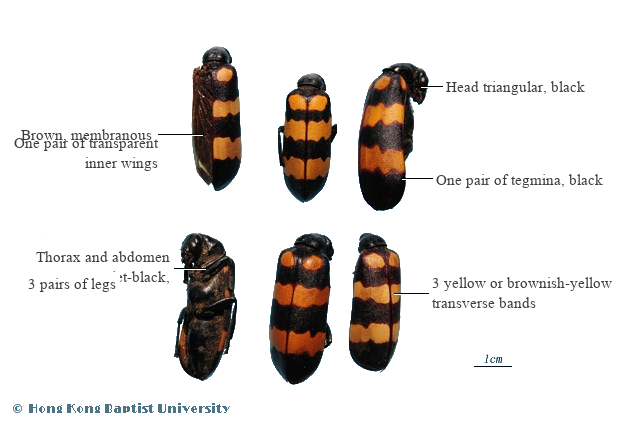
Ban Mao, the dried body of the blister beetle (*Mylabris phalerata* or *M. cichorii*), has been documented in Chinese medicine since the *Shen Nong Ben Cao Jing* (c. 200 CE), where it was listed among the lower-grade substances — potent but requiring careful control. Its primary constituent, cantharidin, produces a strong vesicant action that drives out stasis and dissolves hardness both topically and, in minute doses, internally. Clinically it occupies a narrow but important role in oncology-adjacent formulas and the topical treatment of stubborn, deep-rooted sores.
Actions & Therapeutic Effects
- Attacks toxins and draws out malignancy (攻毒拔毒)
- Breaks blood stasis and eliminates fixed masses (破血逐瘀消癥)
- Disperses nodules and softens hardness (散結消堅)
- Corrodes dead tissue and promotes sloughing (腐蝕死肌)
- Opens urinary obstruction (通利小便 — secondary, historically noted)
Clinical Applications in TCM
- Scrofula, lymphatic nodules, and subcutaneous tumours: applied topically as a paste or plaster, often combined with She Gan and Xiong Huang to draw out the root
- Fixed abdominal masses and gynaecological stasis (癥瘕): used internally in pill form at micro-dose in formulas such as Banmao Tongjing Wan (斑蟊通經丸) with Tao Ren and Hong Hua
- Liver and esophageal cancer (modern TCM oncology): incorporated into compound pills alongside Ban Zhi Lian and Bai Hua She She Cao; supports tumour regression through cantharidin’s cytotoxic action
- Stubborn carbuncles and fistulas that fail to discharge: topical application causes controlled blistering to break the lesion and expel pus
- Alopecia areata: small amount of cantharidin tincture applied to scalp to stimulate local circulation and follicle activity
- Tinea and stubborn skin fungal infections: vesicant property disrupts the infected superficial layer when applied with caution
Precautions & Safety
- Internal dose is 0.03–0.06 g (30–60 mg), taken only in pill or powder form — never decocted, as heat concentrates cantharidin toxicity; processed form (rice-stir-fried Chao Ban Mao) is required for any internal use
- Strictly contraindicated in pregnancy (potent emmenagogue and abortifacient), in patients with kidney or liver insufficiency, in those with active bleeding disorders, and in children; topical application must avoid mucous membranes, eyes, and broken skin beyond the target site; extended external contact causes severe blistering and ulceration
Classical TCM Formulas
- Modern pharmaceutical: Cantharidin 0.7% topical solution (Cantharone) — FDA-approved for molluscum contagiosum.
- Ban Mao San (斑蝥散): historical formula — EXTREMELY DANGEROUS, not for modern clinical use.
- Ban Mao is of primarily historical toxicological interest.
Herb Combinations
- Ban Mao (processed) + Da Huang (大黄) + Tao Ren (桃仁): breaks Blood stasis for abdominal masses (historical, extremely dangerous).
- Topical Ban Mao tincture: historically used as blistering agent for chronic arthritis and facial paralysis.
- MODERN WARNING: Ban Mao is severely toxic and restricted; modern pharmaceutical cantharidin preparations are strictly regulated.
Pharmacology & Research
Vesicant: cantharidin directly disrupts epithelial cell membranes, producing controlled blistering and tissue sloughing.
Antitumour: cantharidin inhibits protein phosphatase 2A (PP2A), inducing apoptosis in hepatocellular and colorectal carcinoma cell lines in vitro.
Immunomodulatory: demethylcantharidin (norcantharidin) derivative stimulates bone marrow granulopoiesis, partially reversing chemotherapy-induced leukopenia.
Nephrotoxic: cantharidin is actively concentrated in renal tubular epithelium — mechanism underlying the classical kidney-meridian assignment and the strict dose ceiling.
Classical Descriptions
- “主寒熱,鬼疰,蠱毒,鼠瘻,惡瘡疽,蝕死肌,破石癃。” — *Shen Nong Ben Cao Jing* (c. 200 CE): “Governs cold-heat disorders, ghost possession, gu toxin, rat fistula, malignant sores and abscesses; corrodes dead flesh and breaks stone obstruction [of urine].”