
Huang Yao Zi 黄药子 — Chinese Herbal Medicine
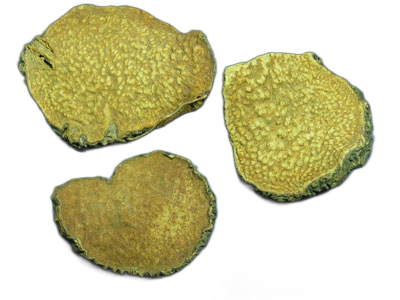
Key Takeaways
- Nature: Cold | Taste: Bitter
- Category: Resolve Phlegm Heat
- Latin: Rhizoma Dioscoreae Bulbiferae
Huang Yao Zi (黄药子) At a Glance
- Herb: Huang Yao Zi
- Chinese name: 黄药子 (Huang Yao Zi)
- Latin name: Rhizoma Dioscoreae Bulbiferae
- Nature: Cold
- Taste: Bitter
- Meridian: Lung
- Category: Resolve Phlegm Heat
Huang Yao Zi, the aerial tuber of Dioscorea bulbifera, is a cold, bitter herb that targets phlegm-heat accumulations in the Lung and thyroid region. It is best known for softening hardness and dissipating nodules, making it a primary choice for goitre, scrofula, and phlegm-heat masses. Modern oncology has incorporated it as an adjunct herb for oesophageal and thyroid cancers, though its hepatotoxic potential demands careful clinical monitoring.
Actions & Therapeutic Effects
- Resolves phlegm and dissipates nodules — reduces goitre, scrofula, and phlegm-heat lumps
- Clears heat and detoxifies — addresses toxic sores, carbuncles, and snake-bite swelling
- Cools blood and stops bleeding — treats hematemesis, hemoptysis, and uterine bleeding
- Softens hardness and disperses accumulations — used adjunctively for thyroid and oesophageal tumours
Clinical Applications in TCM
- Goitre and thyroid nodules: combine with Hai Zao (海藻), Kun Bu (昆布), and Xia Ku Cao (夏枯草) to soften hardness and resolve phlegm
- Scrofula and lymph node swellings: pair with Xuan Shen (玄参) and Mu Li (牡蛎)
- Hemoptysis and hematemesis from blood-heat: use with Bai Ji (白及) and San Qi (三七)
- Toxic sores and snake bite: apply topically as a paste or decoct internally with Pu Gong Ying (蒲公英)
- Oesophageal or gastric cancer (adjunct): combine with Ban Zhi Lian (半枝莲) and Bai Hua She She Cao (白花蛇舌草)
Precautions & Safety
- Dose: 5–15 g in decoction; 1–2 g as powder; continuous use beyond 4 weeks substantially raises hepatotoxic risk
- Contraindicated in liver disease, hepatitis, or elevated liver enzymes; avoid concurrent alcohol use; monitor LFTs with prolonged use; use with caution in pregnancy and Spleen-Stomach deficiency
Classical TCM Formulas
- Huang Yao Zi San (黄药子散): historical formula for goitre — NOT recommended due to hepatotoxicity.
- Huang Yao Zi Jiu (黄药子酒): Huang Yao Zi steeped in wine — historical for goitre. EXTREMELY DANGEROUS.
- Modern use: NOT recommended; safer alternatives preferred.
Herb Combinations
- Huang Yao Zi (黄药子) + Hai Zao (海藻) + Kun Bu (昆布): softens hardness for goitre and thyroid nodules (historical).
- Huang Yao Zi (黄药子) + Pu Gong Ying (蒲公英) + Xia Ku Cao (夏枯草): clears Heat and disperses masses for lymphadenopathy (historical).
- WARNING: Huang Yao Zi is hepatotoxic — safer alternatives (Xia Ku Cao, Hai Zao, Kun Bu) exist for all traditional indications.
Pharmacology & Research
Antithyroid: diosbulbin diterpene lactones suppress thyroid hormone synthesis and reduce goitre size in animal models.
Antitumour: diosbulbin B inhibits proliferation of oesophageal, hepatic, and thyroid cancer cell lines in vitro.
Haemostatic: aqueous extract shortens clotting time and reduces capillary permeability, supporting its blood-cooling action.
Hepatotoxic: diosbulbin B causes dose-dependent hepatocyte injury; the primary safety-limiting mechanism in clinical use.
Antimicrobial: ethanol extract shows inhibitory activity against Staphylococcus aureus and various dermatophytic fungi in vitro.
Classical Descriptions
- “黄药子,苦寒,消痰散结,凉血解毒,主诸恶肿疮瘘,喉痹,蛇犬咬毒。” — Kai Bao Ben Cao (開寶本草, 974 CE)