
Lu Hui 芦荟 — Chinese Herbal Medicine
Key Takeaways
- Nature: Cold | Taste: Bitter
- Category: Laxatives/Purgatives
- Latin: Aloe
Lu Hui (芦荟) At a Glance
- Herb: Lu Hui
- Chinese name: 芦荟 (Lu Hui)
- Latin name: Aloe
- Nature: Cold
- Taste: Bitter
- Meridian: Liver
- Category: Laxatives/Purgatives
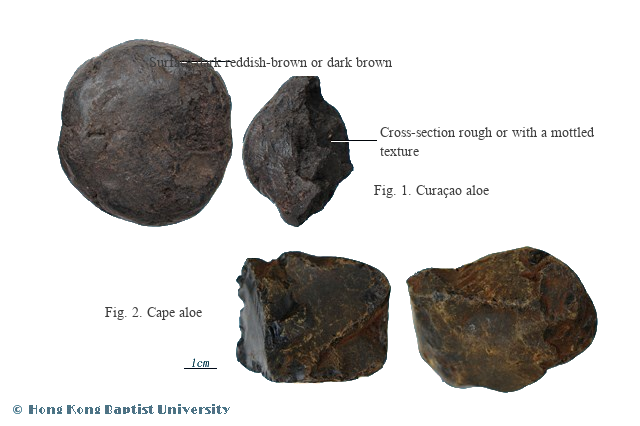
Lu Hui (芦荟), meaning “black reed,” entered Chinese materia medica during the Tang Dynasty via the Silk Road, where dried aloe latex was traded from Arabia and Persia as a prized medicinal resin. Intensely bitter and cold, it descends powerfully along the Liver and Large Intestine, clearing fire from above while unblocking accumulation below. Clinically it is one of the few herbs that simultaneously addresses refractory heat-bound constipation, ascending Liver fire, and parasitic gan accumulation in children.
Actions & Therapeutic Effects
- Purges fire and unblocks the bowels — drives accumulated intestinal heat downward, relieving dry, heat-bound constipation
- Drains Liver fire and sedates ascending yang — resolves Liver fire headache, dizziness, red eyes, and irritability
- Kills parasites and disperses childhood gan accumulation — treats nutritional impairment with abdominal distension, emaciation, and worm infestation
- Clears heat and cools the blood — addresses blood-heat manifestations; used topically for inflammatory skin lesions and burns
Clinical Applications in TCM
- Liver fire with fire-bound constipation and agitation: combined with Long Dan Cao, Dang Gui, and Qing Dai in Dang Gui Long Hui Wan (当归龙荟丸)
- Excess heat constipation: used as pill or powder alone, or with Da Huang and Zhi Zi for robust heat purging
- Liver fire headache, red eyes, and bitter taste: paired with Huang Lian and Zhi Zi to clear Liver-Gallbladder fire
- Childhood gan accumulation with intestinal parasites, emaciation, and irritability: combined with Shi Jun Zi and Bing Lang
- External burns, eczema, and inflammatory skin ulcers: fresh gel or powdered herb applied directly to affected skin
- Chronic constipation from habitual Liver-qi constraint generating heat: low-dose pill formulation for intermittent use
Precautions & Safety
- Dosage: 1–2 g per day in pill or powder form; not decocted (resinous latex does not dissolve and degrades with prolonged heat). External use applied as needed.
- Contraindications: Strictly forbidden in pregnancy (strong purgative causes uterine stimulation); contraindicated with Spleen-Stomach cold deficiency, loose stools, or chronic diarrhea; avoid prolonged internal use due to anthraquinone accumulation.
- Interactions: Use with caution alongside diuretics (anthraquinones may compound potassium loss); may potentiate cardiac glycosides via electrolyte imbalance; monitor with anticoagulants as high doses may affect platelet aggregation.
Classical TCM Formulas
- Dang Gui Lu Hui Wan (当归龙荟丸): Dang Gui, Lu Hui, Long Dan Cao, Huang Lian, Huang Qin, Huang Bai, Zhi Zi, Da Huang, Qing Dai, Mu Xiang — clears Liver Fire and unblocks bowels. Source: Dan Xi Xin Fa.
- Lu Hui San (芦荟散): Lu Hui single herb — for Heat-type constipation (modern: also used topically for burns).
- Modern topical: Aloe vera gel (>90% polysaccharide gel) — standard topical for burns, radiation dermatitis, and wound healing.
Herb Combinations
- Lu Hui (芦荟) + Da Huang (大黄): the two bitter purgatives — strongly drains Heat and unblocks the bowels for Heat-type constipation.
- Lu Hui (芦荟) + Zhu Sha (朱砂): an unusual pair from Dang Gui Lu Hui Wan — clears Liver Fire and calms the spirit for anger, irritability, and constipation.
- Lu Hui (芦荟) + Shi Gao (石膏) (topical): clears Heat and promotes tissue repair for burns and skin inflammation.
- Lu Hui (芦荟) + Zi Cao (紫草) + Dang Gui (当归) (topical): cools Blood, clears Heat, and promotes wound healing for radiation dermatitis and burns.
Pharmacology & Research
Laxative: anthraquinones (barbaloin/aloin) irritate colonic mucosa and stimulate secretory peristalsis, producing catharsis within 8–12 hours of ingestion.
Anti-inflammatory: aloe-emodin inhibits COX-2 expression and NF-κB activation, suppressing prostaglandin E₂ and TNF-α release.
Antioxidant: aloesin and aloe-emodin scavenge reactive oxygen species; aloesin DPPH IC₅₀ is comparable to ascorbic acid in vitro.
Antimicrobial: barbaloin disrupts bacterial membrane integrity; active against Staphylococcus aureus, Escherichia coli, and Candida albicans.
Immunomodulatory: acemannan (β-1,4-acetylated mannan polysaccharide) activates macrophages and upregulates IL-1, IL-6, and TNF-α production.
Wound healing: polysaccharides and glycoproteins stimulate fibroblast proliferation and collagen type-I synthesis, accelerating dermal repair.
Classical Descriptions
- Kai Bao Bencao (宋·开宝本草, 974 CE): “Bitter, cold, non-toxic; governs heat-type five-organ dysentery, kills worms, and disperses childhood gan accumulation.” Li Shizhen further noted in the Bencao Gangmu (本草纲目, 1596): “Drains latent fire from the Liver and Stomach; suited for fire-bound constipation and Liver wind patterns.”